
PRESSURA 2024
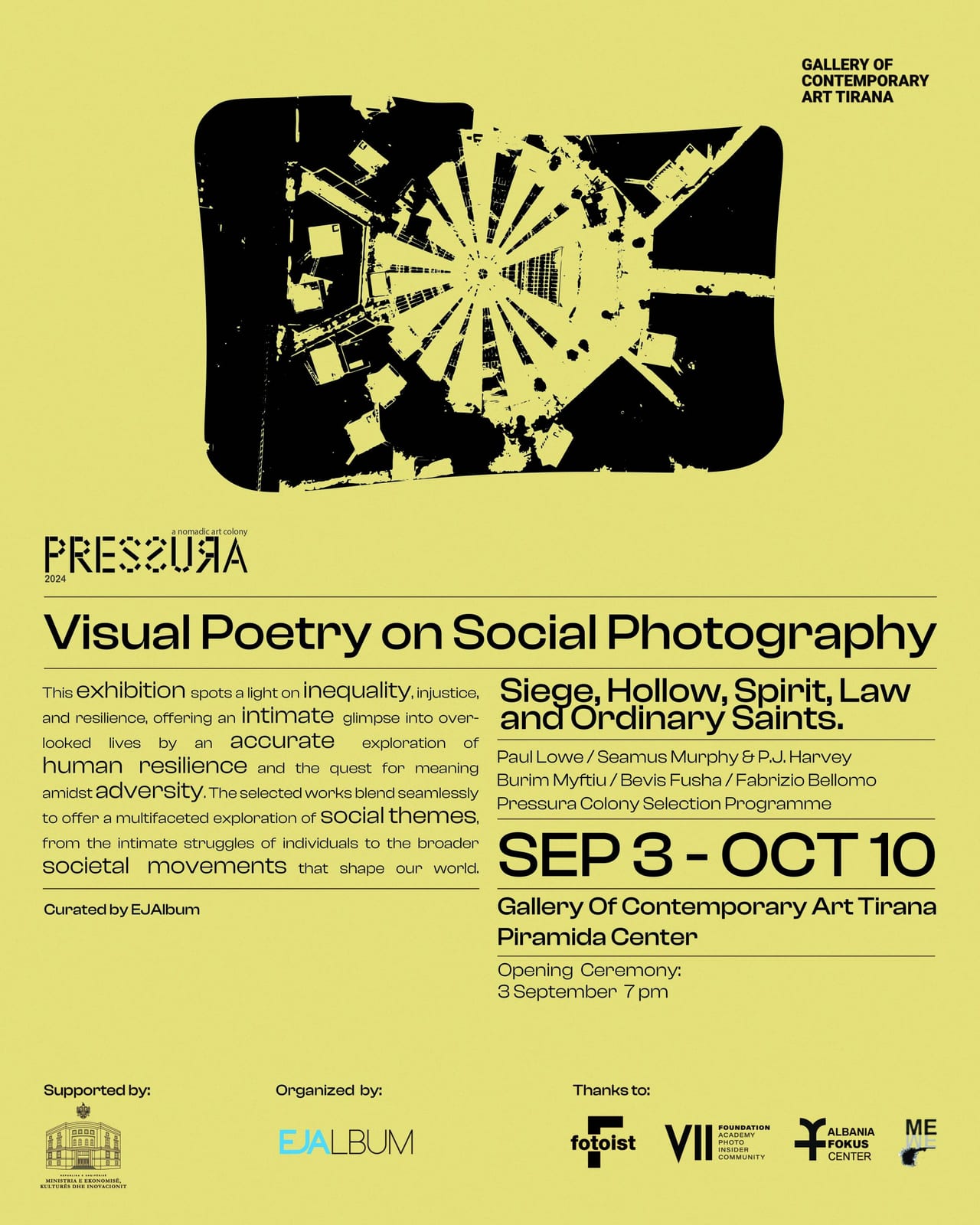
VISUAL POETRY ON SOCIAL PHOTOGRAPHY
Curation of the second edition of PRESSURA – A Nomadic Art Colony
GOCAT Gallery, Tirana | 2024
Press on the exhibition: Under the auspices of the Mane foundation, the exhibition “Visual Poetry on Social Photography” opens at the ‘Gocat’ gallery
This exhibition sheds light on inequality, injustice and instability, offering an intimate look at lives left behind through a precise exploration of human resilience and the search for meaning amid misfortune. The pavilion “The Siege” exhibits a body of work focused on the harsh realities of conflict, the pavilion “Hollow” offers a sanctuary for reflection, the pavilion “Ordinary Saints” elevates everyday heroes, and the pavilion “Poetry” invites the public to set out on a journey through the complexity and the triumphs of human experience. Together, these works form a cohesive narrative that examines the human condition through different perspectives, each contributing to a deeper and broader understanding of the Human Being. Through this exhibition, as through the whole project, Pressura offers the public a nuanced perspective on our resilience, endurance, dignity and compassion together, as human beings. Artists in the Pressura project are encouraged to reflect on their roles within their own communities and the world, fostering a deeper appreciation for the power of photography to report on social issues and to inspire change.
Pressura is a nomadic colony of artists dedicated to social photography. The artists engaged in this project develop a deep sense of storytelling, a tool that is both ancient and modern, all in order to tell the complex reality of the human condition.
By favouring cultural and professional exchange among photographers, with the aim of strengthening their critical spirit, Pressura has the ambition to become a genuine artistic and ethical movement. It helps artists orient themselves toward visual poetry as an artistic sensibility and a stance toward contemporary social-historical reality.
The Visual Poetry of Social Photography occupies a space between poetry and the visual arts that, perhaps more than other art forms, questions the political and psychoanalytical dimensions of images. And beyond that, it has the power to build dialogue, to magnetise and therefore to embrace, to draw in and to bring together the contributions of other media.
Pressura moves across our regions organising events focused on authorial photography and bringing artists together into an artistic community. In today's fast-paced world, contemporary photographers continue to push the boundaries of their medium, using innovative techniques and perspectives to capture the essence of modern society.
Moreover, this exhibition is curated by EJAlbum, an important art centre in Albania, in collaboration with this wonderful group of international artists and enthusiastic curators, who have worked for decades to raise public awareness of the role of social photography in our society.
The exhibition shows how contemporary practices in photography adapt to and reflect the evolving social landscape, making them essential tools for both artists and audiences in understanding and navigating the complexities of contemporary life. Curated with a penetrating eye, the pavilion presents various bodies of work that tell a unique story, creating a dynamic and inclusive experience. The selected works naturally intertwine to offer a multifaceted exploration of social themes, from individuals' intimate battles to the wider social movements that shape our world.
Press on the exhibition: Pressura-2024-visual-poetry-on-social-photography
THE SIEGE OF SARAJEVO
Paul Lowe
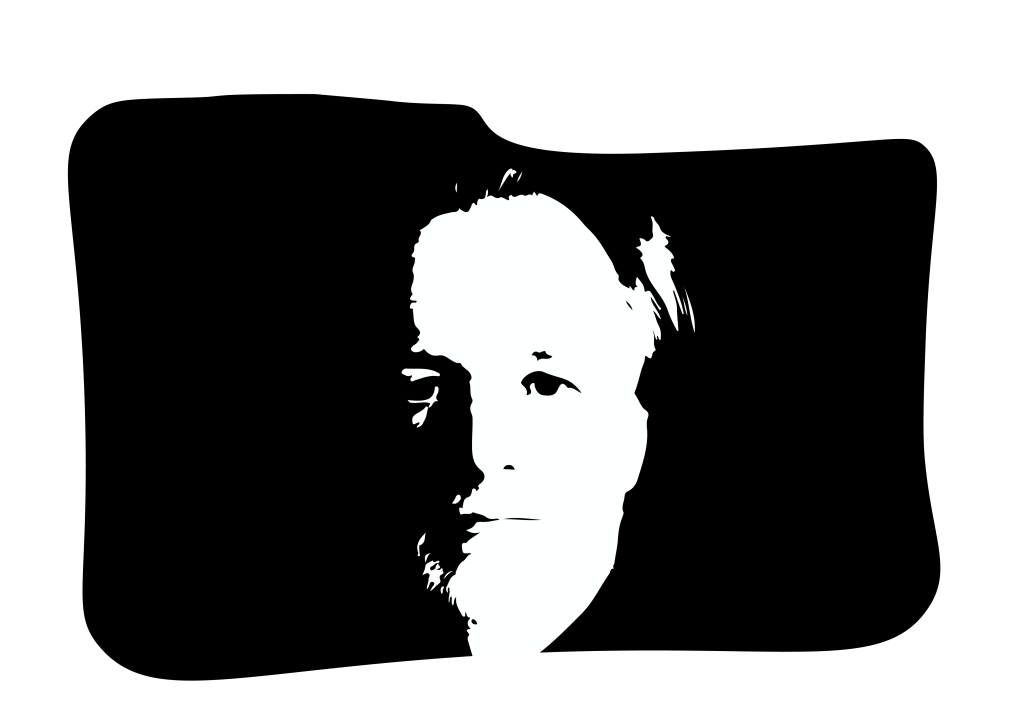
“When I look at these photographs in my archive, it is hard for me to understand what we all went through back then. I think it is very important for today's generation, for those who will come after, but also for older people, not to forget what happened in the past and not to allow it to happen again in the future,” – Paul Lowe.
Dr. Paul Lowe is an award-winning photographer and professor of photography at the University of the Arts London, as well as Course Leader of the Master's in Photojournalism and Documentary Photography at the London College of Communication. Dr. Lowe is also an academic advisor to VII Academy and an emeritus member of the VII Photo agency.
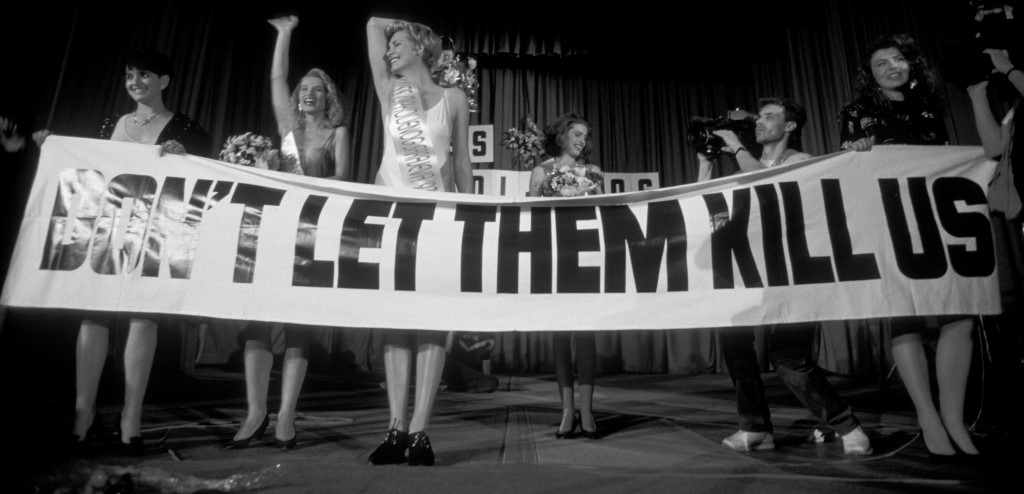
The photographs from the series “The Siege of Sarajevo” by photographer Paul Lowe bear witness to the terrible everyday life of Sarajevo's citizens, but also to their spirit of resistance. The Siege of Sarajevo, the longest siege of a capital city in modern history, began in April 1992 and ended in February 1996. The consequences of the siege: more than 10,000 killed, more than 60,000 wounded, and more than 500 children killed. Every fifth citizen of Sarajevo was at risk from snipers or other weapons.
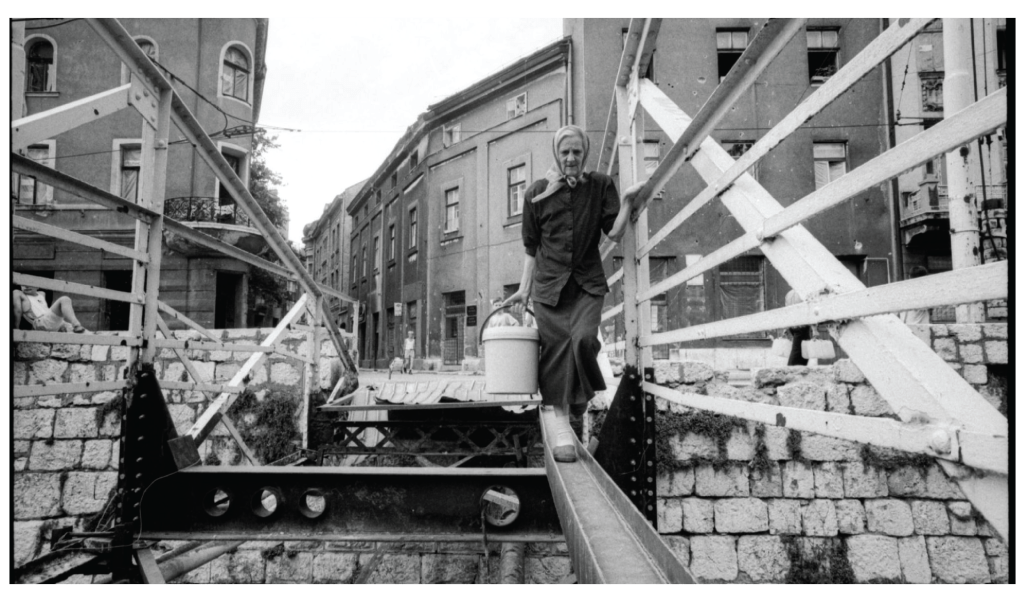
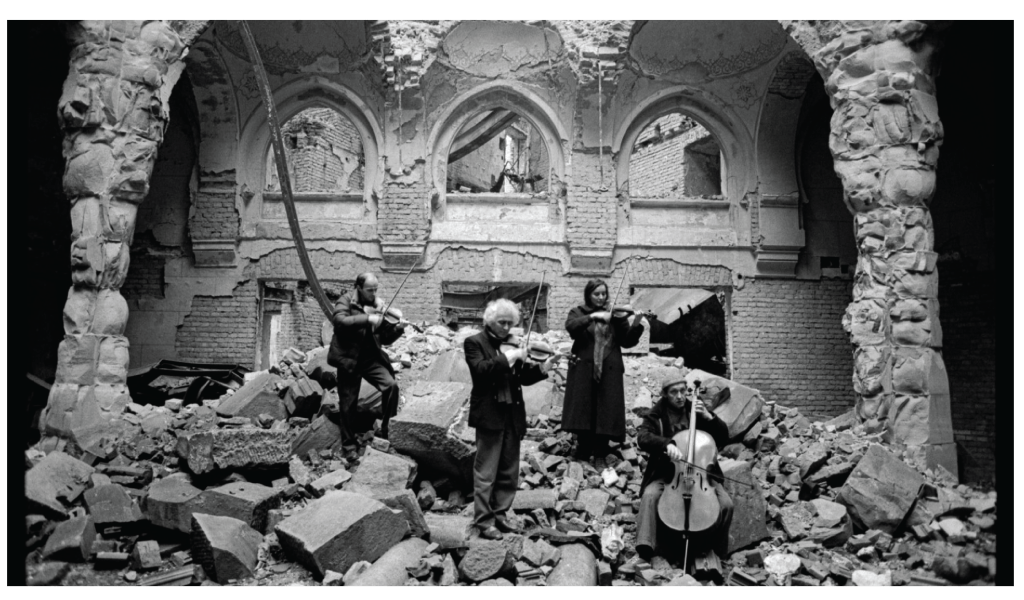
Note: Photographs: Paul Lowe/VII Photo. “THE SIEGE” opened on 4 April 2022 in Sarajevo during the commemoration of the 30th anniversary of the Siege of Sarajevo, and in Belgrade on 12 April for the same occasion. It was also exhibited in Kosovo, in a striking open-air exhibition in “Zahir Pajaziti” Main Square during the Fotoist International Festival, August–September 2023.
Press on the exhibition: Exhibition | Visual Poetry on Social Photography | Paul Lowe, Seamus Murphy, P.J. Harvey, Burim Myftiu, Belvis Fusha, Fabrizio Bellomo
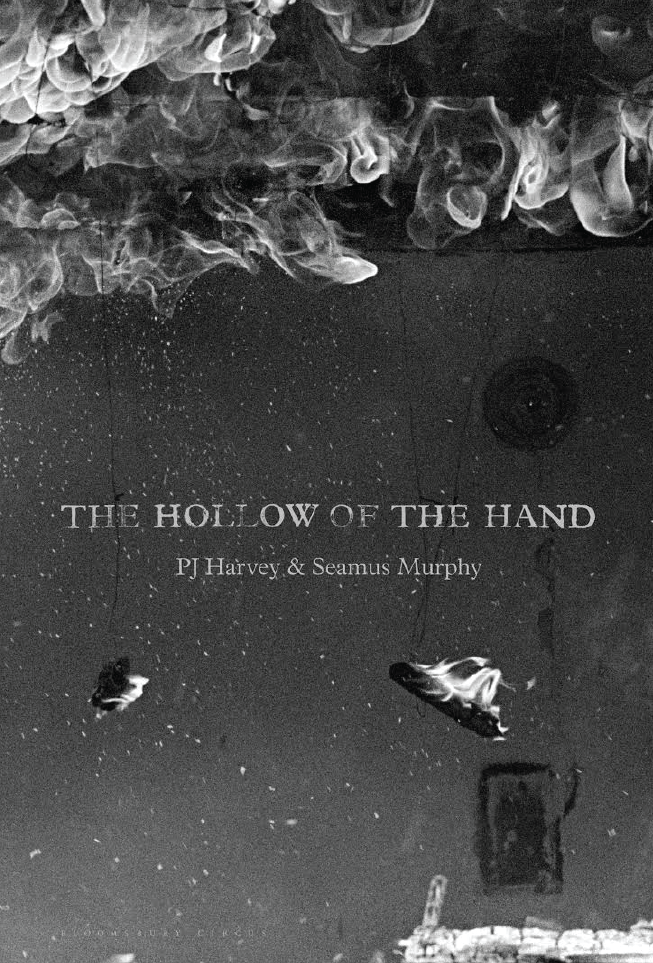
THE HOLLOW OF THE HAND
Seamus Murphy & P. J. Harvey
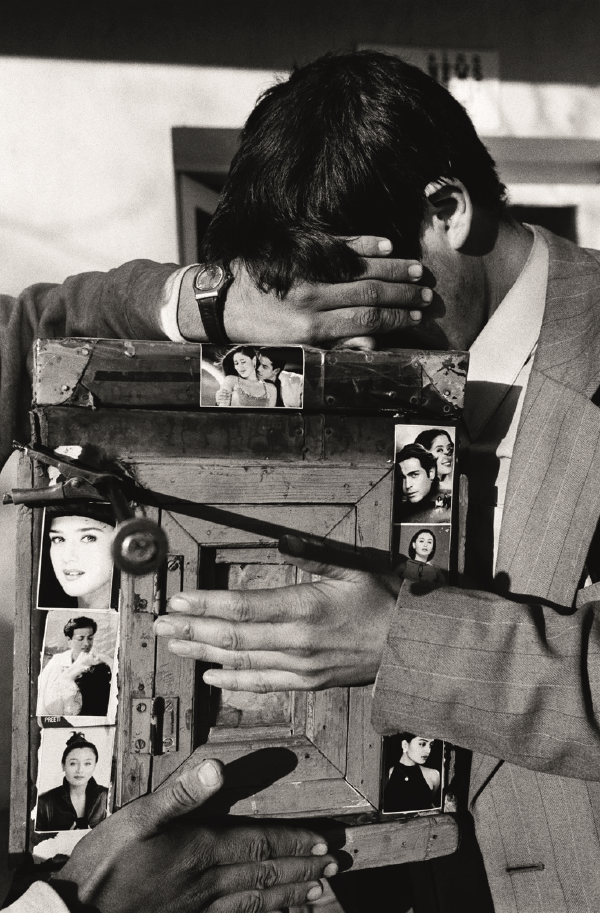
From 2011 to 2014, singer/songwriter PJ Harvey and photographer Seamus Murphy travelled through Kosovo, Afghanistan and Washington, D.C., continuing a collaboration begun with the album Let England Shake. There, Seamus Murphy gathered images (photos and videos) marked by an aesthetic he had developed since the 1990s in his work as a photojournalist; PJ Harvey gathered words that would feed poems and songs. They transcribed the sensitive interconnections between the territories, the images and the poems into an ambitious publication, The Hollow of the Hand. Post-war Kosovo, with its abandoned and empty villages; Afghanistan, in a state of permanent conflict; Washington, with its neighbourhoods that evoke, in different ways, symbolic seats of power or the underworld of a fractured society: Seamus Murphy and PJ Harvey examine tension and muted violence, but also the foreign and startling immanence of the everyday.
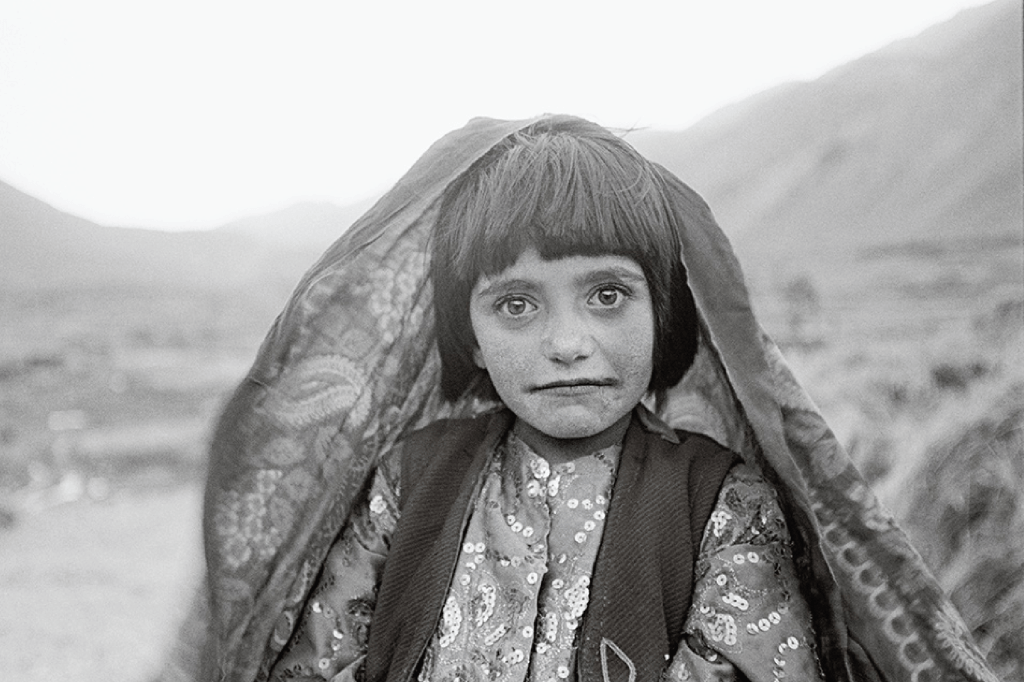
Seamus Murphy & P. J. Harvey go beyond simple reportage; they place conflicts in a context that is both broad and varied, one that includes recording reality, representing it, and putting it into perspective through poetic texts. These poems, photos and films are never confined to a merely literal, illustrative role. They are multiple, dimensional forms springing from a single path, a single journey. They are gestures, ways of exploring reality, of experiencing and performing it, with the aim of sharing it with the other side of the world.
Seamus Murphy
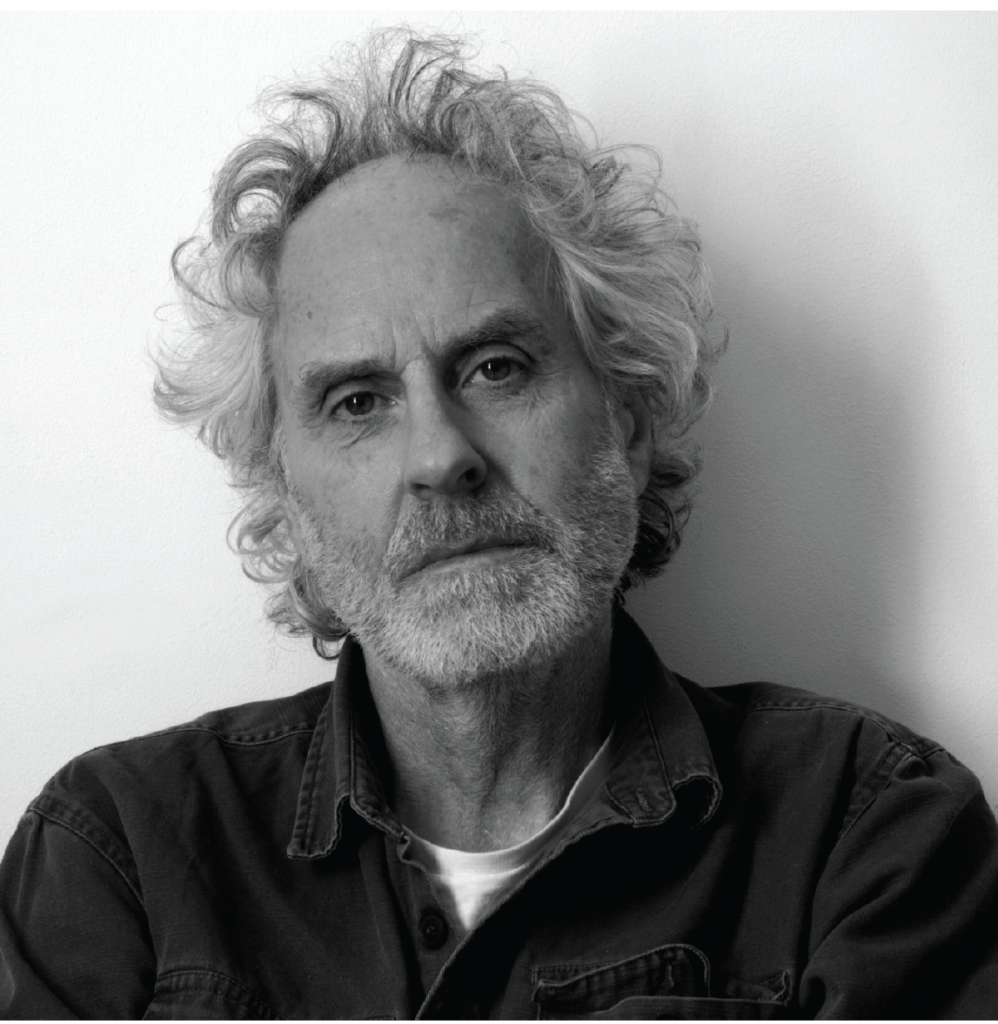
Born in 1959 in the United Kingdom, Seamus Murphy lives and works in London, United Kingdom. He has received seven World Press Photo awards for his work and a Pulitzer nomination. Using still and moving images, he documents life and its changes around the world.
He is a seven-time winner of the World Press Photo award for his work around the world. His study of Afghans, pursued over more than a decade, was published in “A Darkness Visible: Afghanistan”. His film adaptation of this book has won numerous awards.
In 2011 he made twelve short films to accompany PJ Harvey's album, Let England Shake.
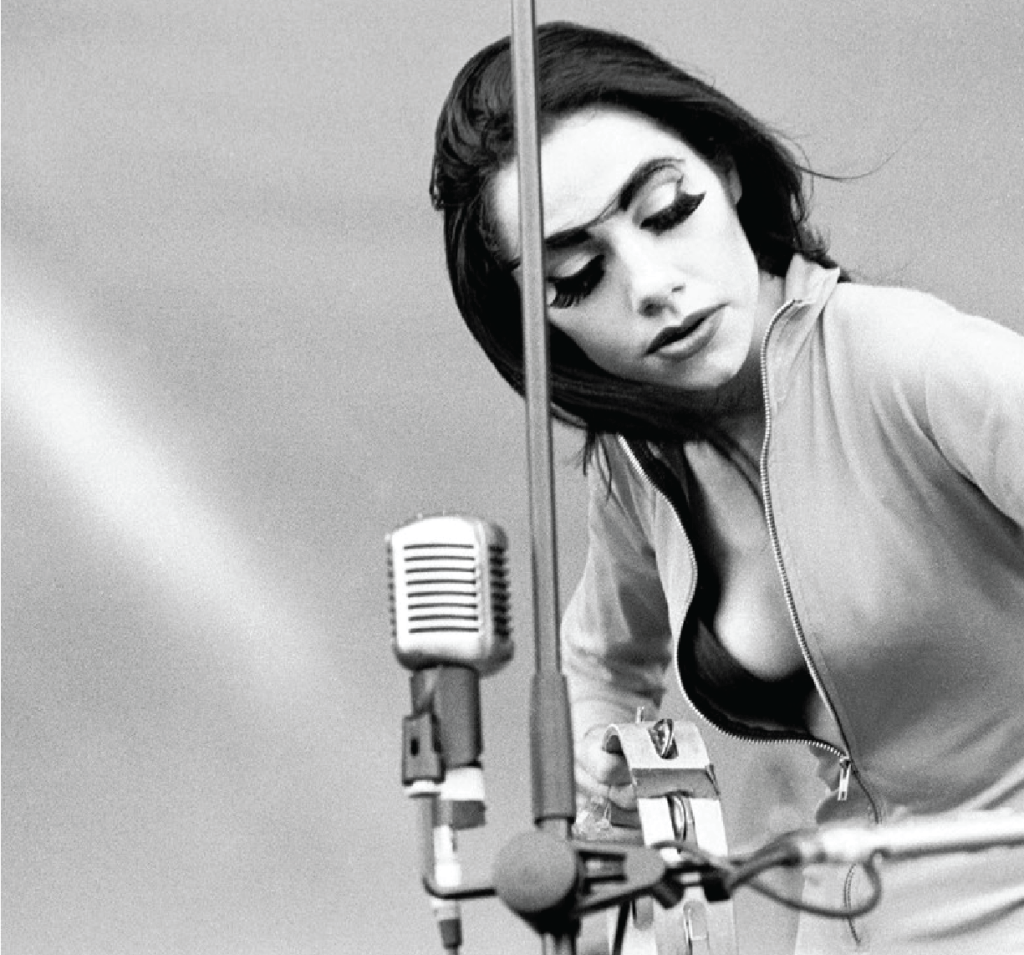
P. J. Harvey
Born in 1969 in the United Kingdom, PJ Harvey lives and works in the United Kingdom. She has released nine critically acclaimed albums, has been nominated for six Grammy Awards, and is the only artist to have been awarded Britain's prestigious Mercury Prize twice (for her albums Stories from the City, Stories from The Sea and Let England Shake).
Her new album The Hope Six Demolition Project, released in April, reached number one on the UK Album Charts. In 2013, Harvey was honoured with an MBE for services to music. The Hollow of the Hand is her first published collection of poetry.
ORDINARY SAINTS
Burim Myftiu
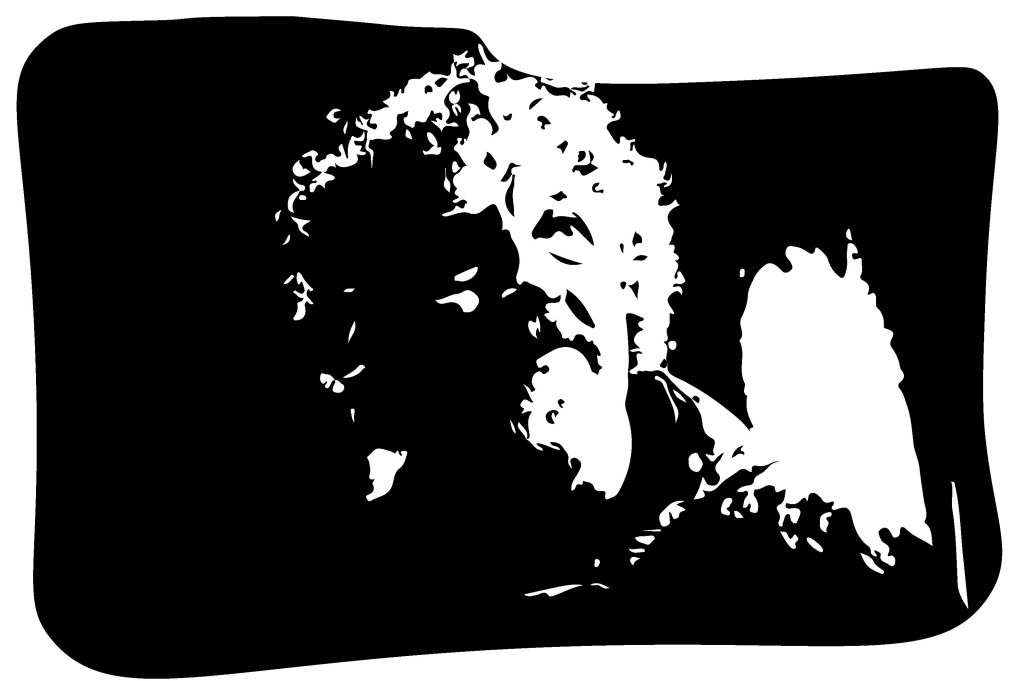
Burimi is a contemporary Albanian-American photographer. Born in 1961 in Prizren, he lives and works between Pristina (KS) and Connecticut (USA). He holds a Master's degree in Visual Arts, having first studied Linguistics at the University of Pristina (KS). He began photographing in the early 1980s, later specialising in commercial photography in New York. In 2003, he founded PACK (the Kosovo Photographic Arts Collective). Myftiu is co-founder and director of Dokufest (the International Documentary and Short Film Festival). He is curator of the International Photography Exhibition, the “Gjon Mili Award”, at the National Gallery of Arts in Pristina, Kosovo. He is the founder of the photo agency Kosova Images, and has served as regional liaison officer for the Fédération Internationale de l'Art Photographique (FIAP). He was appointed Cultural Ambassador for the European Commission in 2016. He is a member of the New Haven Arts Council in Connecticut. He is currently the founder of the Fotoist International Photography Festival.
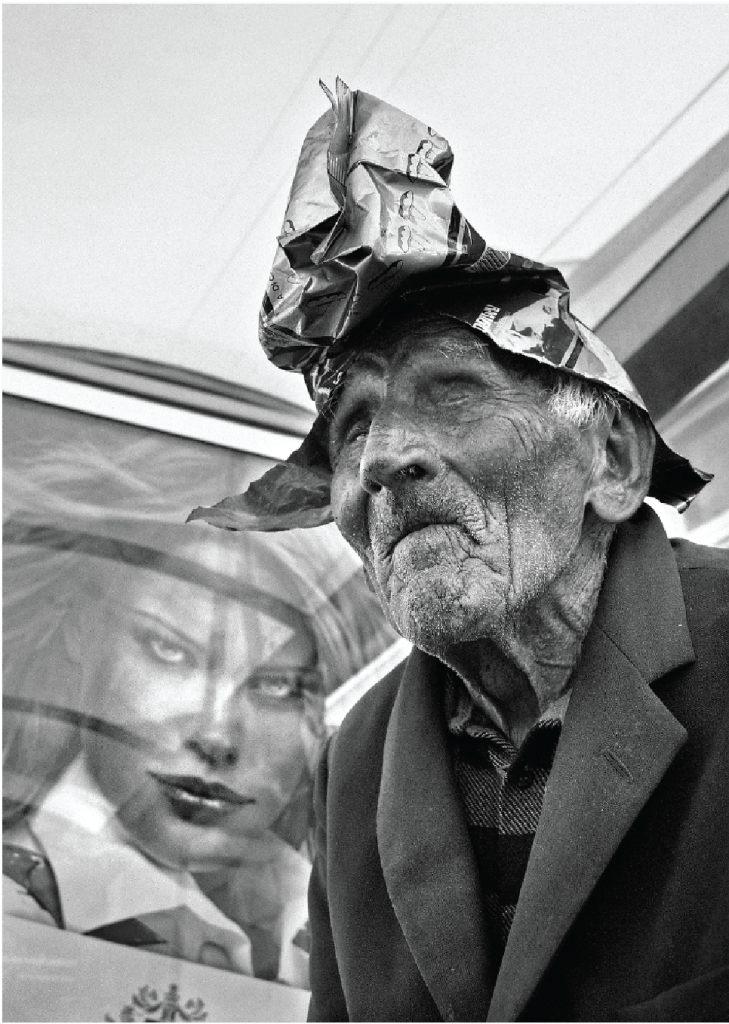
“Saints” aims to encourage reflection on acts of greatness, often overlooked, that occur in our everyday lives. By highlighting these stories, the project encourages viewers to recognise and celebrate the extraordinary potential within all of us. It serves as a reminder that heroism and sainthood are not confined to the pages of history or the screens of cinema, but are present in the people we meet every day. Like the saints of old, these individuals are fighting to change the world, proving that ordinary people have the power to make an extraordinary difference.
“Ordinary Saints” is a contemporary photography project that illuminates the profound impact of everyday individuals who have achieved extraordinary feats or found themselves in extraordinary circumstances. Through a series of intimate and powerful portraits, this project captures the essence of these modern-day heroes, each with an extraordinary story to tell. It is a celebration of the resilience, courage, compassion and transformative power of ordinary people.
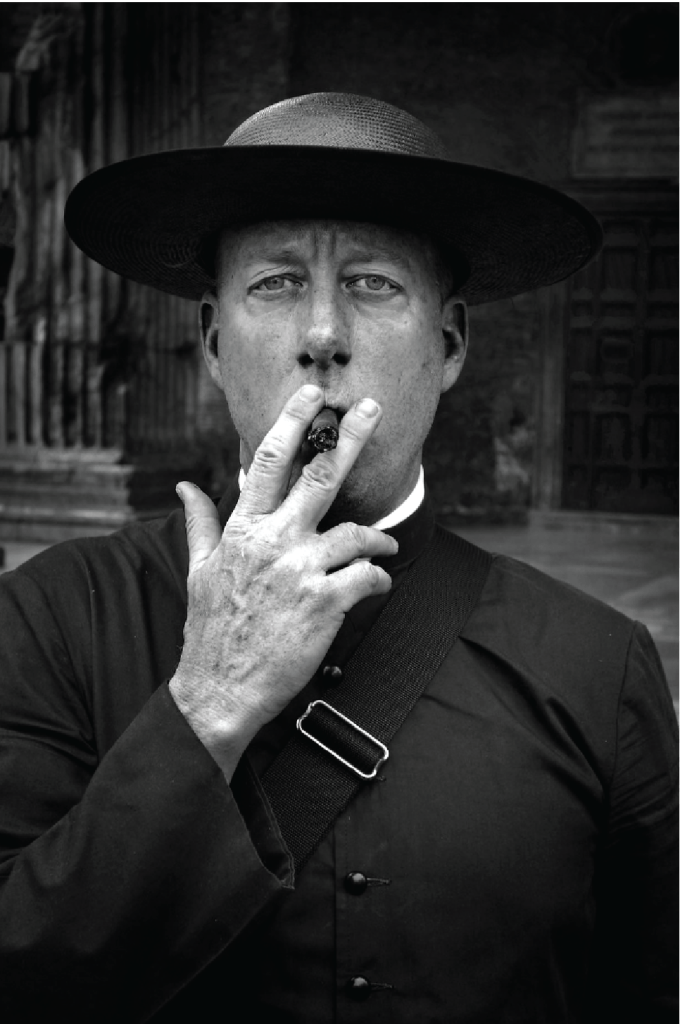
Presenting individuals who have carried out acts of bravery or kindness in their everyday routines, or who have found themselves in unusual or extreme situations and responded with extraordinary strength. Highlighting the quiet, often unnoticed sacrifices made by individuals for the benefit of others, or individuals who have made important contributions without seeking recognition.
“Saints” are individuals like us, who strive to change the world in their own unique ways.
Text by Shkëlzen Maliqi
TERMINAL SPIRIT DISEASE
Bevis Fusha
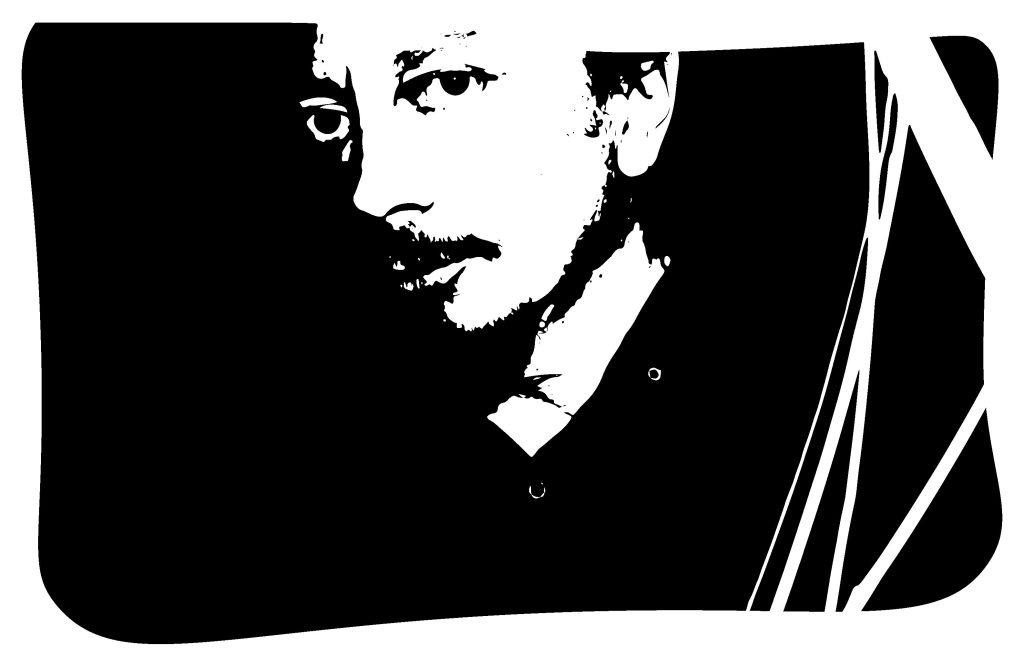
Born in Tirana in 1976, Bevis Fusha graduated in Philosophy and Sociology from the University of Tirana, where he is also a lecturer in photography in the Department of Journalism, as well as one of the best-known photographers and visual artists in Albania. Sharp with the image, yet deeply sensitive to the feeling it conveys, involved in photojournalism and in national and international publications, he continues his mission of always documenting social change in Albania.
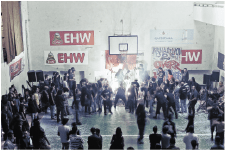
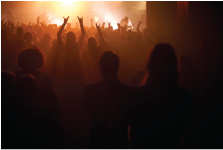
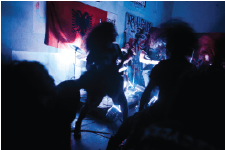
This project focuses on the Black Metal and Death Metal scene and community. More specifically, at the heart of this collection is an attempt to convey and interpret the lifestyle that fans have adopted and their close relationship with the music. Although it has no Balkan origin and is an acquired taste, this specific genre is widely embraced across the globe and has particularly influenced metal musicians in the Balkans.
ANULLOJE LIGJIN
Fabrizio Bellomo
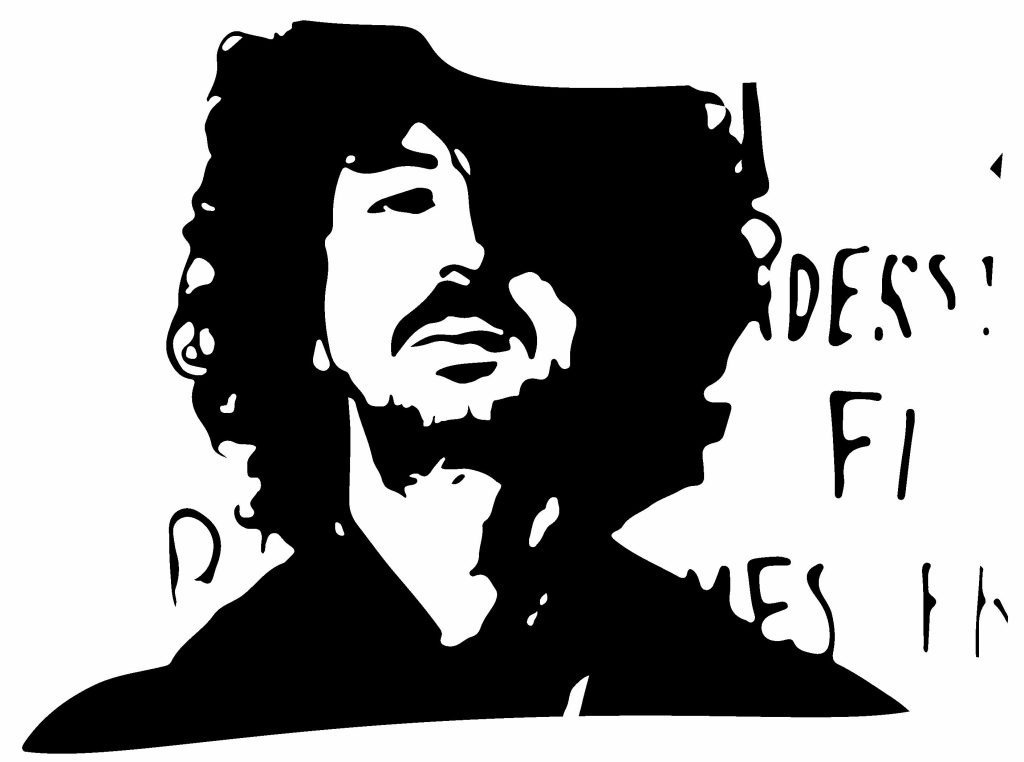
Fabrizio Bellomo (Bari, 1982) is a multidisciplinary artist, director, curator and writer who carries out his research in a hybrid and experimental way. His approach to art is broad: he works with archival and historical material, video and public installations. His art moves between the real world and the digital one. His works have been exhibited in solo and group shows, through public projects, film festivals and presentations.
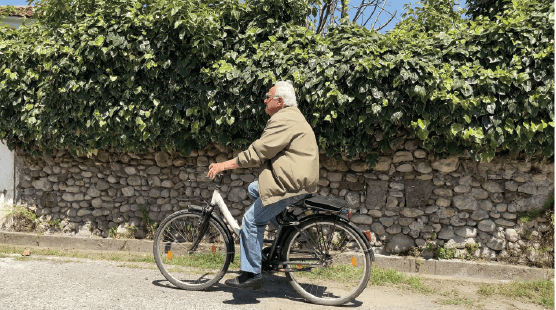
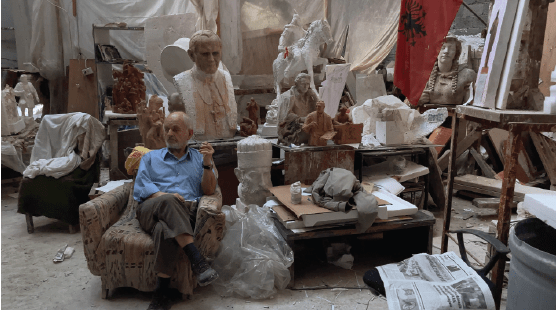
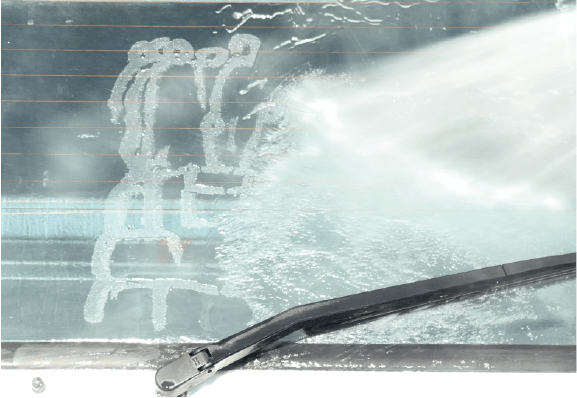
A “road-movie” about the space and time of the Albanian territory. Through it and in between it. A portrait of the famous period called the “transition process”: from socialist monuments to skyscrapers, from red flags to the new green empire… Where and into what are Albania's old socialist monuments being turned today? And after the change of system, now, what are the monuments erected during this new neoliberal and turbo-capitalist era?
Photos from the opening of the exhibition:
See also:
PRESSURA 2024 – In honour of Paul Lowe
Media coverage:
Pressura-2024-visual-poetry-on-social-photography
#PRESSURA 2024/PRESSURA IS BACK/PRESSURA 2023/PRESSURA/PRESSURA 2025